
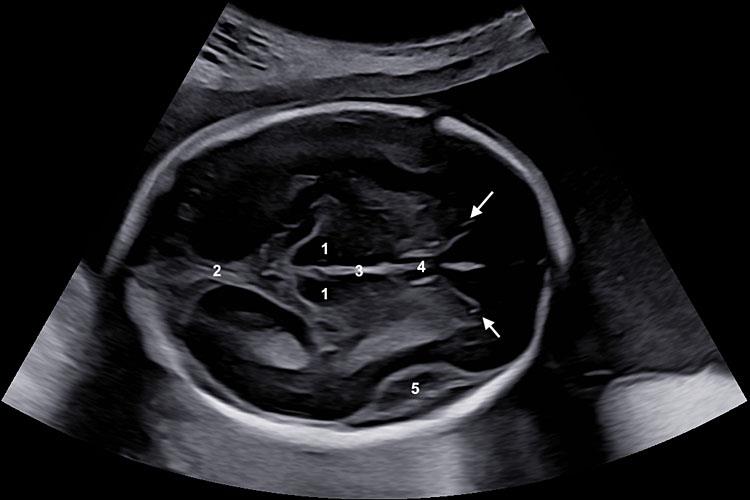
Prenatal ultrasounds play a crucial role in monitoring the development of a fetus. One of the key measurements often included in these exams is the OFD, or occipitofrontal diameter. This measurement helps healthcare professionals assess the growth and development of the fetal head, providing valuable information about the baby’s health. But what exactly does OFD ultrasound meaning entail, and why is it so important for expectant parents to understand?
What is OFD and Why Does It Matter?
OFD is the distance measured between the back of the fetal skull (occiput) and the forehead (frontal bone). It is one of the key components of fetal biometry, which includes several measurements used to assess fetal growth during pregnancy.
While many people are familiar with terms like BPD (biparietal diameter) and HC (head circumference), OFD is another essential measurement that can provide a more detailed understanding of fetal growth and development. It is particularly important for assessing the shape and size of the fetal head, which can reveal any growth abnormalities early in the pregnancy.
Why Is OFD Measurement Crucial?
Understanding the OFD ultrasound meaning is crucial for monitoring fetal development, particularly in terms of head shape and size. When measured accurately, OFD helps doctors assess whether the baby’s head is developing normally. It also plays a role in detecting any potential cranial abnormalities, such as brachycephaly (shortened OFD) or dolichocephaly (elongated OFD).
By measuring the distance from the occipital bone to the frontal bone, doctors can gather critical information about the fetus’s brain development, cranial structure, and overall growth. This data is essential for making informed decisions regarding pregnancy care and addressing any concerns early on.
How Is OFD Measured?
The measurement of OFD is typically done during an ultrasound scan. The sonographer measures the distance between the outer edge of the occipital bone to the outer edge of the frontal bone on an axial plane of the fetal head. This is done using specialized ultrasound equipment, and the accuracy of the measurement is essential for a correct assessment of fetal growth.
One of the most important factors in obtaining an accurate OFD measurement is positioning. The sonographer must ensure they are measuring at the right plane of the fetal head, and the calipers used must be placed correctly. Proper measurement is crucial because any inaccuracies can affect the assessment of the baby’s head size and growth trajectory.
Normal OFD Ranges by Gestational Age
The OFD measurement changes as the pregnancy progresses, so understanding the normal range for OFD values at different stages of pregnancy is vital. Below is a general overview of the expected OFD ranges by gestational age:
Gestational Age (Weeks) Average OFD (mm) Normal Range (mm)
20 weeks 45 mm 40–50 mm
24 weeks 55 mm 50–60 mm
28 weeks 65 mm 60–70 mm
32 weeks 75 mm 70–80 mm
These ranges are general estimates, and slight variations can occur based on the ultrasound protocol and individual circumstances. Doctors use these measurements to track the growth of the fetus and identify any deviations that could signal potential issues. If the OFD measurement falls outside of the normal range, it may indicate conditions like growth restriction or other cranial abnormalities.
The Role of OFD in Assessing Fetal Head Shape
In addition to tracking overall head growth, OFD plays a key role in evaluating the shape of the fetal head. By combining OFD with other measurements like BPD and HC, doctors can assess the shape and volume of the fetal head. This helps in the diagnosis of conditions like brachycephaly (a round, short head) and dolichocephaly (a long, narrow head). These conditions can be caused by positional factors or, in some cases, more serious issues like craniosynostosis (premature fusion of the skull sutures).
The cephalic index (CI), which is calculated by dividing BPD by OFD and multiplying by 100, is another valuable tool for assessing head shape. An unusually high or low CI can indicate abnormal head growth patterns and the need for further evaluation.
How OFD Works with Other Head Measurements
While OFD provides valuable information on the head's length, other measurements like BPD and HC give insights into the width and overall circumference of the head. Together, these measurements help provide a comprehensive assessment of the fetal head’s shape and size.
For example, a high OFD combined with a low BPD may suggest dolichocephaly, while a low OFD and a normal BPD may indicate brachycephaly. By combining OFD with these other measurements, healthcare professionals can more accurately assess the baby’s growth and detect any issues early on.
Conclusion
The OFD ultrasound meaning is more than just a measurement of head size—it provides critical insight into fetal development, growth patterns, and potential abnormalities. By monitoring OFD alongside other key fetal measurements, healthcare professionals can assess the overall health of the fetus and make informed decisions regarding care.
For expectant parents, understanding the importance of OFD and how it contributes to the broader picture of fetal health can be reassuring. By learning more about OFD ultrasound and other prenatal measurements, parents can feel more confident in their care and the development of their baby.